
📦 YOUR CARE, DELIVERED TO YOUR HOME FOR FREE. 🚚
-
MICRONEEDLING TREATMENTS{ $store.xMobileNav.close() }, 0)" >
-
Microneedling{ $store.xMobileNav.close() }, 0)" >
-
Replacement cartridges{ $store.xMobileNav.close() }, 0)" >
-
Microneedle Patches{ $store.xMobileNav.close() }, 0)" >
-
Bio-Needle{ $store.xMobileNav.close() }, 0)" >
-
Adjustable{ $store.xMobileNav.close() }, 0)" >
-
Derma-Roller{ $store.xMobileNav.close() }, 0)" >
Synergy of care{ $store.xMobileNav.close() }, 0)" >-
Sterile sera{ $store.xMobileNav.close() }, 0)" >
-
LED Masks{ $store.xMobileNav.close() }, 0)" >
-
Soothe{ $store.xMobileNav.close() }, 0)" >
COLLECTIONS{ $store.xMobileNav.close() }, 0)" >ABOUT{ $store.xMobileNav.close() }, 0)" >-
🛈 Get informed{ $store.xMobileNav.close() }, 0)" >
-
🔍 Discover more{ $store.xMobileNav.close() }, 0)" >
-
💬About & Help{ $store.xMobileNav.close() }, 0)" >
-
- Log in
What does science say about microneedling therapy?
Microneedling is currently one of the most studied techniques in dermatology.
This page compiles the main scientific publications , clinical studies , and medical reviews confirming its effectiveness for:
- acne scars
- fine lines and skin aging
- collagen production
- skin texture improvement
- the absorption of serums and topical active ingredients
All the studies presented below come from reliable sources : PubMed, NIH, dermatological journals and recognized scientific reviews.
Scientific articles
Acne scars and various skin types
A study shows that collagen induction therapy (microneedling) is effective and safe for acne scars, even on dark skin, with a significant improvement in scar severity. Read the study
Systematic review: Microneedling today?
A literature review concluded that microneedling is an effective and well-tolerated option for scars and wrinkles, with a good safety profile and a limited risk of dyspigmentation. Read the study
Microneedling = collagen induction therapy
This review article explains how microneedling acts as a collagen induction therapy (CIT) , with good results on acne scars, wrinkles, and alopecia, using a simple and inexpensive technique. Read the study
Neck rejuvenation and aging prevention
Review of the role of microneedling in anti-aging treatments for the neck and décolleté, showing improvements in firmness, horizontal wrinkles , and overall skin quality. Read the study
Melasma and pigment spots: microneedling + tranexamic acid
A comparative study showing that the combination of microneedling and tranexamic acid demonstrated better results on melasma (spots) than injections alone, with good tolerability. Read the study
Facial and neck wrinkles: measurable improvement
Clinical study evaluating the efficacy of a microneedling device on fine lines of the face and neck , showing objective improvement in skin parameters and good tolerability.Read the study
Evolution of microneedling
- First documented works
Discovery
German dermatologist Ernst Kromayer , a pioneer of modern dermatology, developed the use of rotating surgical burs — instruments resembling “dental-burs” — to abrade the skin in a controlled manner .
At that time, these tools were used to soften the appearance of scars , reduce pigment spots , and treat certain skin lesions.
Kromayer observes that these micro-abrasions provoke a repair response in the skin , paving the way for the future concept of mechanical stimulation of collagen , which would much later become… microneedling.
- Need for new scar techniques
Canada
Plastic surgeons Andre Camirand and François Doucet observe that their patients' scars improve after the use of a tattoo gun , not to pigment the skin, but to mechanically perforate the scar area .
By performing repeated micro-perforations , they observed a progressive reorganization of collagen and a more uniform skin texture , without altering pigmentation.
This discovery marks the first modern demonstration that tiny needles can induce controlled dermal repair , laying the groundwork for what would quickly become clinical microneedling .
- Introduction of “needle dermabrasion”
Official technique
Following their observations in 1995, Camirand & Doucet published in 1997 the first formal description of a technique they named “needle dermabrasion” .
They use a tattoo gun equipped with sterile needles to create uniform micro-perforations on scars, without pigment, in order to stimulate re-epithelialization and collagen reorganization .
Their publication demonstrates that this approach provides a visible improvement in hypertrophic and atrophic scars , while avoiding the pigmentary complications of lasers of the time.
This protocol became the first direct ancestor of the medical microneedling used today.
- Invention of the “Dermaroller”
Horst Liebl
German engineer Horst Liebl revolutionized the practice by creating the very first Dermaroller , a cylindrical roller equipped with hundreds of aligned micro-needles .
Unlike motorized tools or tattoo guns, this device allows for regular, controlled and relatively painless micro-perforations over large areas of skin.
The Dermaroller triggers increased production of collagen and elastin , while improving texture, acne scars and superficial wrinkles — without major social downtime.
This innovation marks the entry of microneedling into modern aesthetic practices and paves the way for the standardization of collagen induction therapy (CIT) worldwide.
- Formalization of “Percutaneous Collagen Induction”
Collagen Induction (PCI)
In 2006, South African plastic surgeon Dr. Des Fernandes formalized the concept of Percutaneous Collagen Induction (PCI) , the scientific basis of modern microneedling.
It demonstrates that the creation of controlled micro-channels in the dermis directly stimulates neocollagenesis (production of new collagen), without destroying the epidermis — unlike the ablative lasers of the time.
Its protocol combines professional rollers and longer needles to reach the deep layers of the dermis to effectively treat scars, wrinkles and photoaging.
Dr. Fernandes' work finally validates microneedling as a scientific, reproducible, safe and highly effective procedure , adopted worldwide in aesthetic clinics.
- Increase in research & applications
Scientific studies
Between 2010 and 2015, microneedling experienced major scientific growth , with a proliferation of clinical studies published in dermatological journals.
Researchers demonstrate its effectiveness on numerous indications: acne scars, fine lines, uneven texture, enlarged pores, stretch marks, hyperpigmentation and even alopecia .
This period also introduced the first automated devices (Dermapen) , offering more regular switching speeds, adjustable depths and better accuracy than manual rollers.
Studies also show that the micro-channels created improve the penetration of topical active ingredients (vitamin C, HA, peptides), giving rise to the concept of “microneedling-assisted drug delivery” .
It is at this moment that microneedling officially transitions from the status of an alternative technique to that of a recognized, validated and adopted procedure worldwide in aesthetic dermatology.
- Technological innovations and integrations
New era
Between 2020 and 2025, microneedling enters a new era with the appearance of high-precision automated devices (electric pens, motorized frames) offering stable needle speeds and depths adjustable to the micron.
Practitioners are adopting combinations of microneedling + radiofrequency (RF) , a technology that heats the deep layers of the skin to further stimulate neocollagenesis and achieve a superior tightening effect.
This period also sees the integration of highly concentrated topical serums (vitamin C, hyaluronic acid, peptides, growth factors) applied immediately after the session to take advantage of the opening of micro-channels and maximize results.
Finally, microneedling is increasingly integrated into a holistic anti-aging approach , combining nutrition, photobiomodulation, advanced skincare routines and dermatological prophylaxis, positioning this technique as an essential pillar of modern skin rejuvenation.
MICRONEEDLING
Interview French
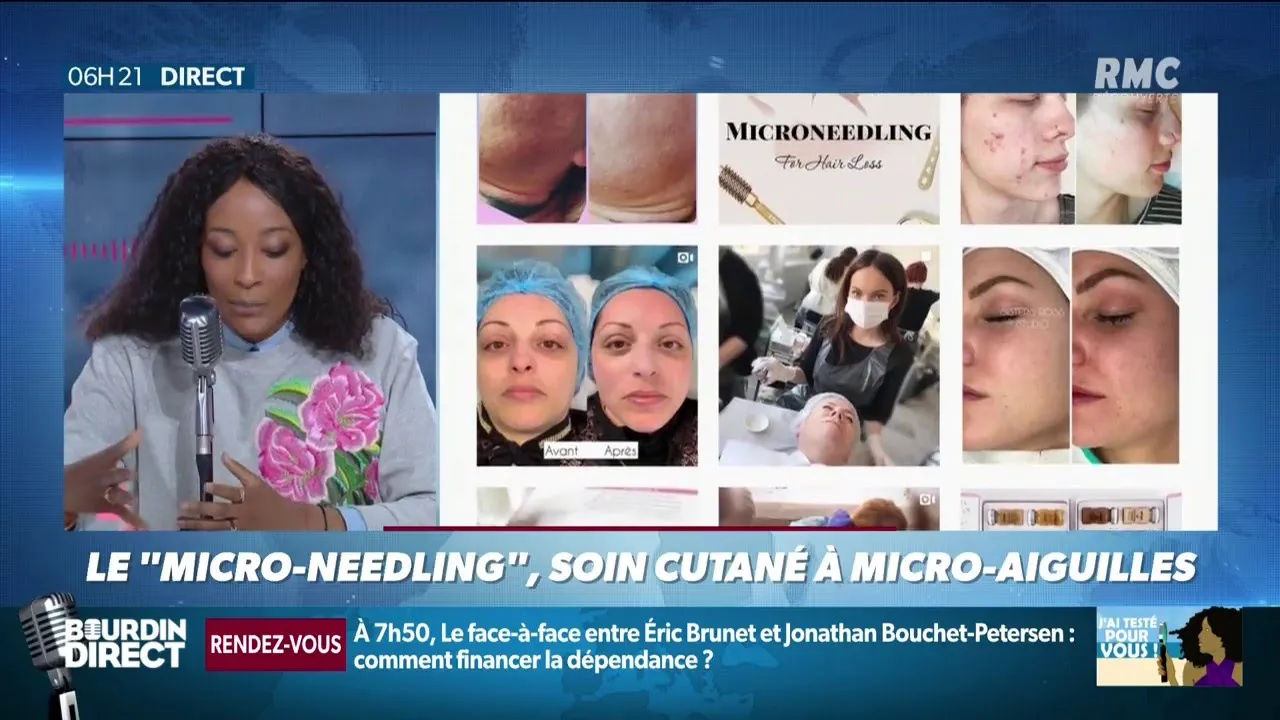
RMC - " I tested it for you ": 'micro-needling', skin treatment using micro-needles
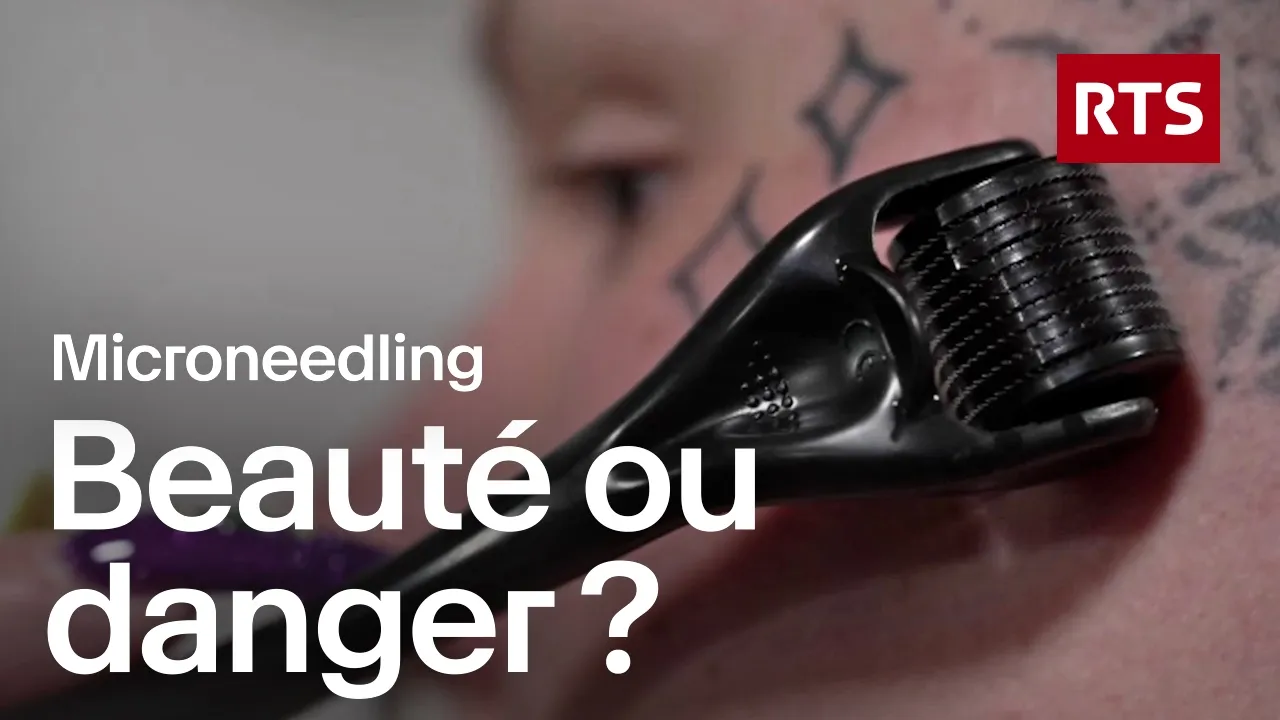
Microneedling at home | RTS : risks and benefits of this beauty trend
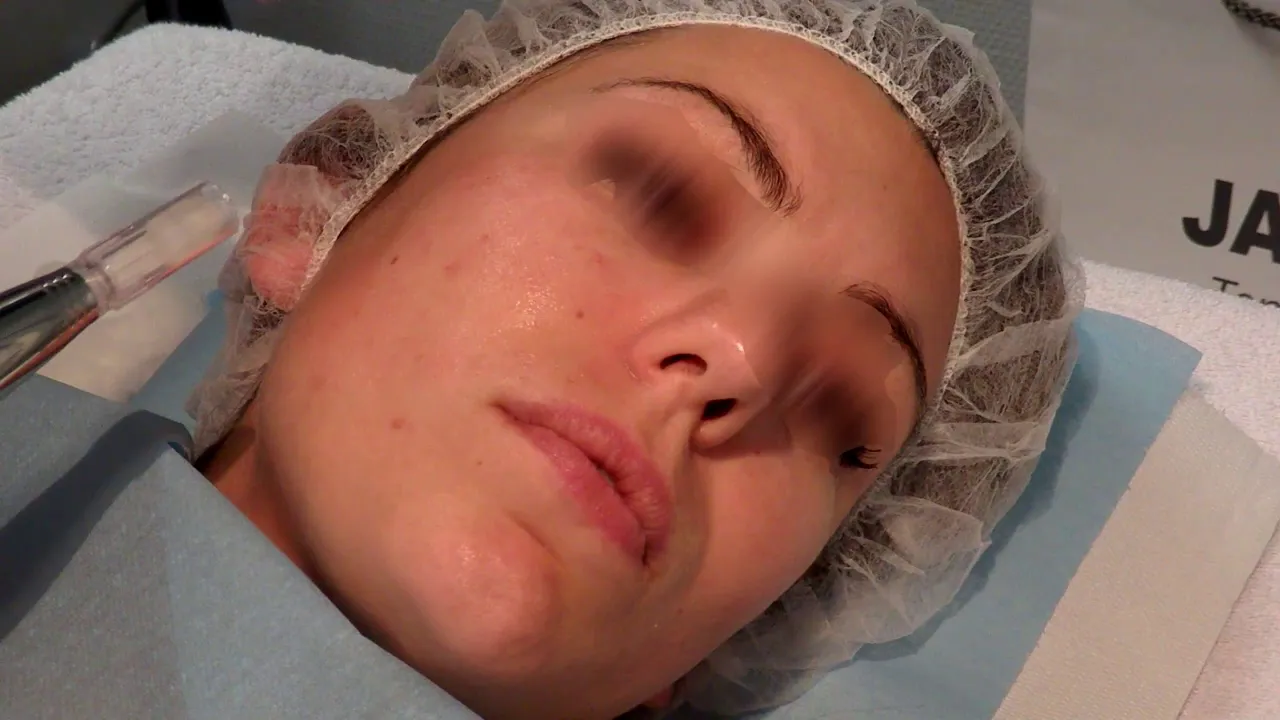
Didier Dubois (Aesthetic Physician) - Microneedling Session
Sabine Bellaïche — “Why Dermapen?”
Chloé Sylvestre — cosmetic doctor, interview “Microneedling”
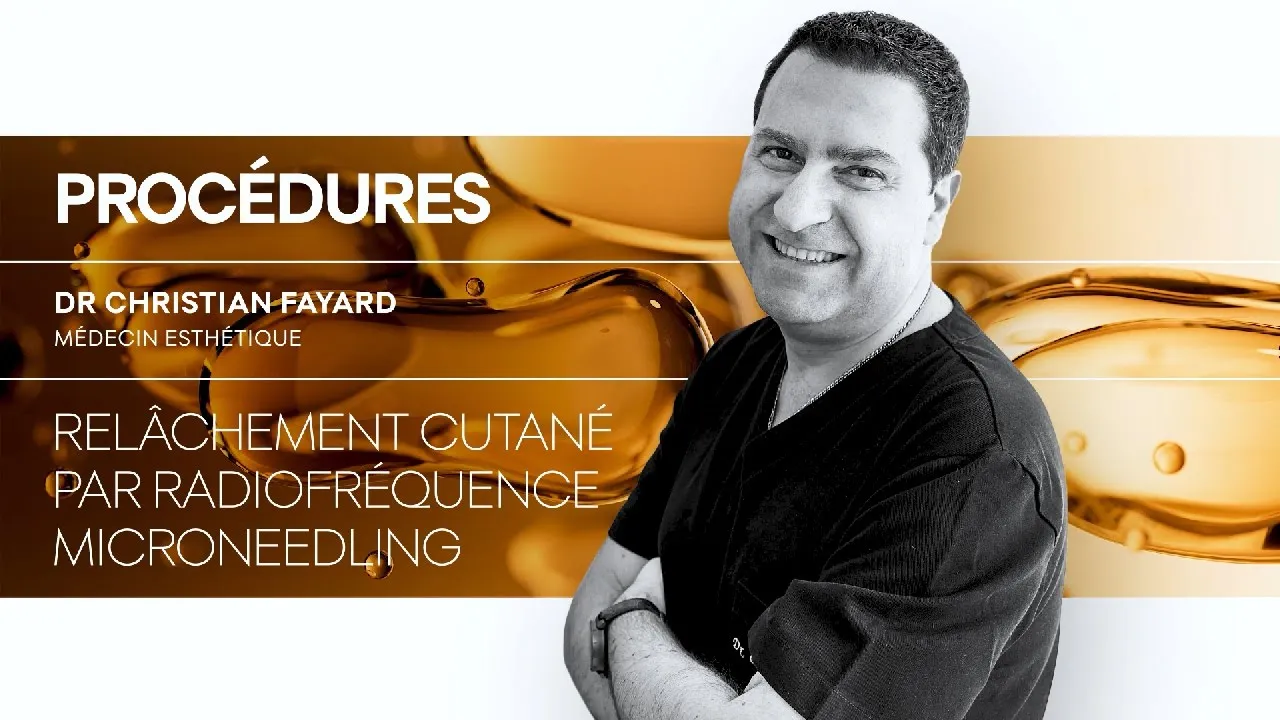
Christian Fayard (Aesthetic Specialist) - Radiofrequency + Microneedling
Clinical studies confirm the results
Improvement of scars and skin texture
“Microneedling significantly improved skin texture and reduced the depth of atrophic scars in just 4 to 6 sessions.”
Scientific conclusion:
The treated patients showed a significant reduction in acne scars, with increased collagen production observed in histology.
Fabbrocini G. et al., Journal of Dermatological Treatment (2009)
Consult the study
Rejuvenation and collagen production
“Microneedling significantly increases the natural production of collagen and improves the firmness and elasticity of the skin.”
Scientific conclusion:
The study demonstrates an increase in collagen I, III and elastin , resulting in firmer and smoother skin.
El-Domyati M. et al., International Journal of Dermatology (2015)
Consult the study
Microneedling + serum: absorption x10% x20%
“Microneedling facilitates transdermal delivery and increases the effectiveness of serums applied immediately after treatment.”
Scientific conclusion:
The study shows that applying a serum immediately after microneedling results in significantly greater penetration of active ingredients thanks to the micro-channels created in the skin.
Sim JH. et al., International Journal of Dermatology and Pharmaceutics (2022)
Consult the study
Wrinkle reduction and overall rejuvenation
“After 6 sessions, fine lines and wrinkles are visibly reduced, with a more even and revitalized complexion.”
Scientific conclusion:
Before/after biopsies demonstrate collagen stimulation , improved skin density, and a visible reduction in skin aging.
Aust M. et al., Plastic and Reconstructive Surgery (2008)
Consult the study
Microneedling : A Safe, Effective, and Versatile Technique
“Microneedling is known to stimulate neocollagenesis , improve overall skin texture and deliver excellent results with a short recovery time, even on darker skin types.”
Scientific conclusion:
The study describes microneedling as a simple, safe and minimally invasive technique, used to treat a wide range of skin problems: scars, stretch marks, alopecia, enlarged pores and skin aging.
Singh A., Yadav S., Indian Dermatology Online Journal (2016)
Consult the study
Overall Efficacy & Collagen Induction
“Microneedling demonstrates a noticeable improvement in skin quality, firmness and texture, while reducing the appearance of scars and signs of aging.”
Scientific conclusion:
The review confirms that collagen stimulation achieved through microneedling results in firmer, more even and visibly rejuvenated skin, with an excellent safety profile.
Atiyeh BS, Microneedling: Percutaneous Collagen Induction , (2021)
Consult the study
Current Status of Microneedling & Clinical Safety
“Microneedling is confirmed as an effective and well-tolerated technique for improving scars and wrinkles, with a low risk of dyspigmentation.”
Scientific conclusion:
The systematic review highlights microneedling's ability to stimulate collagen production (PCI), improve skin quality, and deliver reliable results with an excellent safety profile.
Ramaut L., Microneedling: Where do we stand now? (2017)
Consult the study
Collagen Induction & Clinical Results
“Microneedling acts as a true collagen induction therapy, offering good results on acne scars, wrinkles and alopecia.”
Scientific conclusion:
The article highlights that this simple, inexpensive technique with no social downtime effectively stimulates neocollagenesis, particularly type I and III collagen, improving firmness and overall skin quality.
Nair PA, Microneedling: A Means of Collagen Induction Therapy (2021)
Consult the study
★★★★★ Rated 4.9/5 — already +11,900 satisfied users
Microneedling - Next Generation
Safer. More precise. More efficient.
Institute results, delivered straight to your door.
— painless, without side effects and without an appointment.
Non-invasive & ultra-safe treatment
Professional Technology
10 times cheaper than a spa treatment
Scientifically validated method
Blé'Gora Soins – The expert brand in facial care
A brand dedicated to the beauty and well-being of the skin.
Innovative and effective treatments to reveal your face's natural radiance.
A brand dedicated to the beauty and well-being of the skin.
Innovative and effective treatments to reveal your face's natural radiance.
Need help?
France – Paris 75014
Blé'Gora Customer Service
Any questions?
Contact@blegora-soins.fr
Available 7 days a week
Chat with us live
France – Paris 75014
Blé'Gora Customer Service
Any questions?
Contact@blegora-soins.fr
Available 7 days a week
Chat with us live
© 2026,
Blé'Gora-soins.By browsing this site, you agree to our Terms and Conditions of Sale and our Privacy Policy .